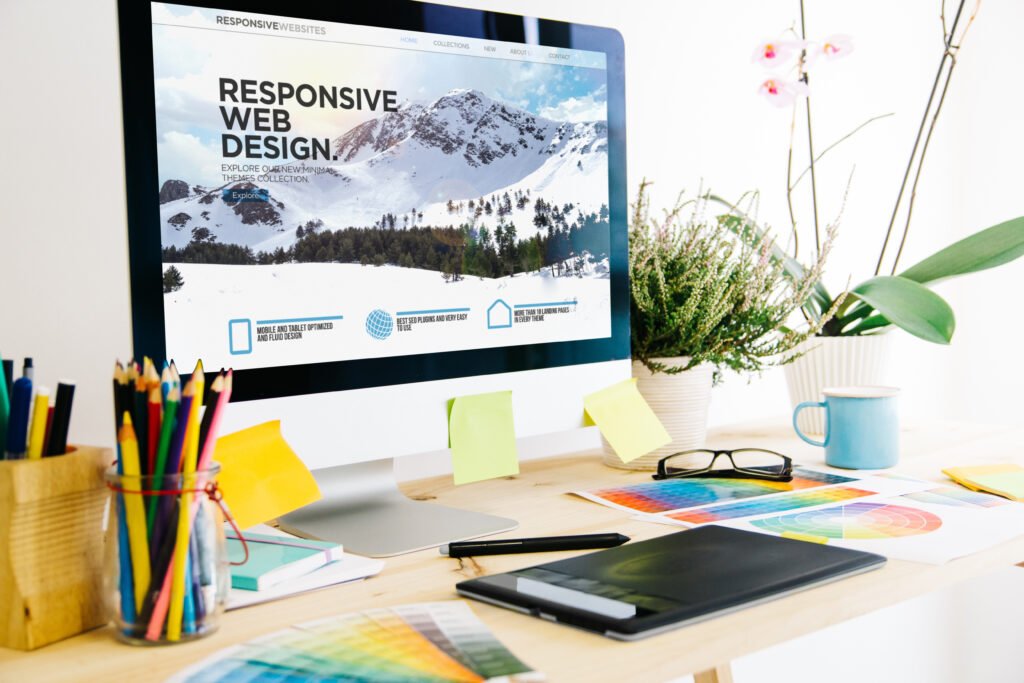
10 simple ways to improve communication, avoid confusion, and get better design results.
Choosing the right graphic designer can make a huge difference to how your business looks and feels.
Whether you’re designing a logo, social media graphics, printed materials, or a full brand identity, the quality of the final result often comes down to one thing – communication.
A lot of design problems don’t happen because the designer is bad. They happen because the brief was unclear, rushed, or missing important details from the start.
These are 10 simple ways to brief a graphic designer more effectively, so your project runs smoother, feedback becomes easier, and you get better results without unnecessary back-and-forth.
Planning a new logo, branding, or design project? Explore our graphic design work to see how ideas are turned into real business assets.
Before anything else, think about what the design actually needs to achieve. Are you trying to attract new customers, refresh your branding, promote a service, or make your business look more professional?
A clear goal gives the project direction and helps the designer make decisions that support your business, not just create something that looks nice.
2. Share Everything the Designer Needs Early
One of the biggest causes of delays is missing information halfway through a project. Try to gather things like logos, text content, images, social media links, brand colours, and any existing assets before work begins.
Having everything ready early usually makes the whole project smoother and avoids unnecessary back-and-forth later on.
Planning a new logo, branding, or design project? Explore our graphic design work to see how ideas are turned into real business assets.
Good design should connect with the right audience, not just reflect personal taste. Think about the type of customers you want to attract and the kind of impression you want the design to give.
Different audiences respond to different styles, so explaining who the project is aimed at helps guide the creative direction properly.
4. Use Examples to Communicate Style
Trying to describe design styles with words alone can get confusing quickly. Sharing examples of designs you like, or even ones you dislike, this helps communicate expectations much more clearly.
This could include screenshots, competitor branding, Pinterest boards, social media posts, or anything else that helps show the direction you have in mind.
5. Be Clear About What’s Included
Before the project starts, make sure both sides understand exactly what’s being created. This could include logo files, social media graphics, print artwork, editable templates, or different file formats.
Clear deliverables help avoid misunderstandings and make it easier to keep the project organised from the start.
6. Avoid Unrealistic Deadlines
Good design takes time, especially when feedback, revisions, and multiple formats are involved. If you have a deadline, mention it early so expectations are realistic from the beginning.
Rushing a project usually leads to unnecessary stress, weaker decisions, and more revisions later on.
7. Keep Feedback Clear & Organised
Feedback is a normal part of the design process, but it works best when it’s clear and specific. Instead of saying something “doesn’t feel right”, try to explain what feels off and why.
Structured feedback helps designers make better changes and reduces endless revision loops.
Good design is more than visuals alone. Many of our projects are created with consistency, usability, and real-world use across print, web, and social media in mind.
It’s always worth discussing how revisions will work before the project begins. This includes how many rounds of changes are included and how feedback should be sent across.
Setting expectations early helps keep projects on track and avoids confusion for everyone involved.
9. Think About Where the Design Will Be Used
Designs often need to work across multiple places, from social media and websites to printed materials and signage. Different platforms may need different sizes, formats, or layouts.
Thinking about this early helps avoid problems later and ensures the final design works properly everywhere it’s needed.
10. Trust the Creative Process
You’re hiring a designer for their experience, creative thinking, and ability to solve visual problems. While having ideas and preferences is important, staying open to suggestions often leads to stronger results.
The best projects usually come from good communication, collaboration, and allowing room for creativity within the brief.
If you're planning to hire a graphic designer in Northamptonshire
You can view recent projects or get in touch to discuss what would work best for your business.